FILMS
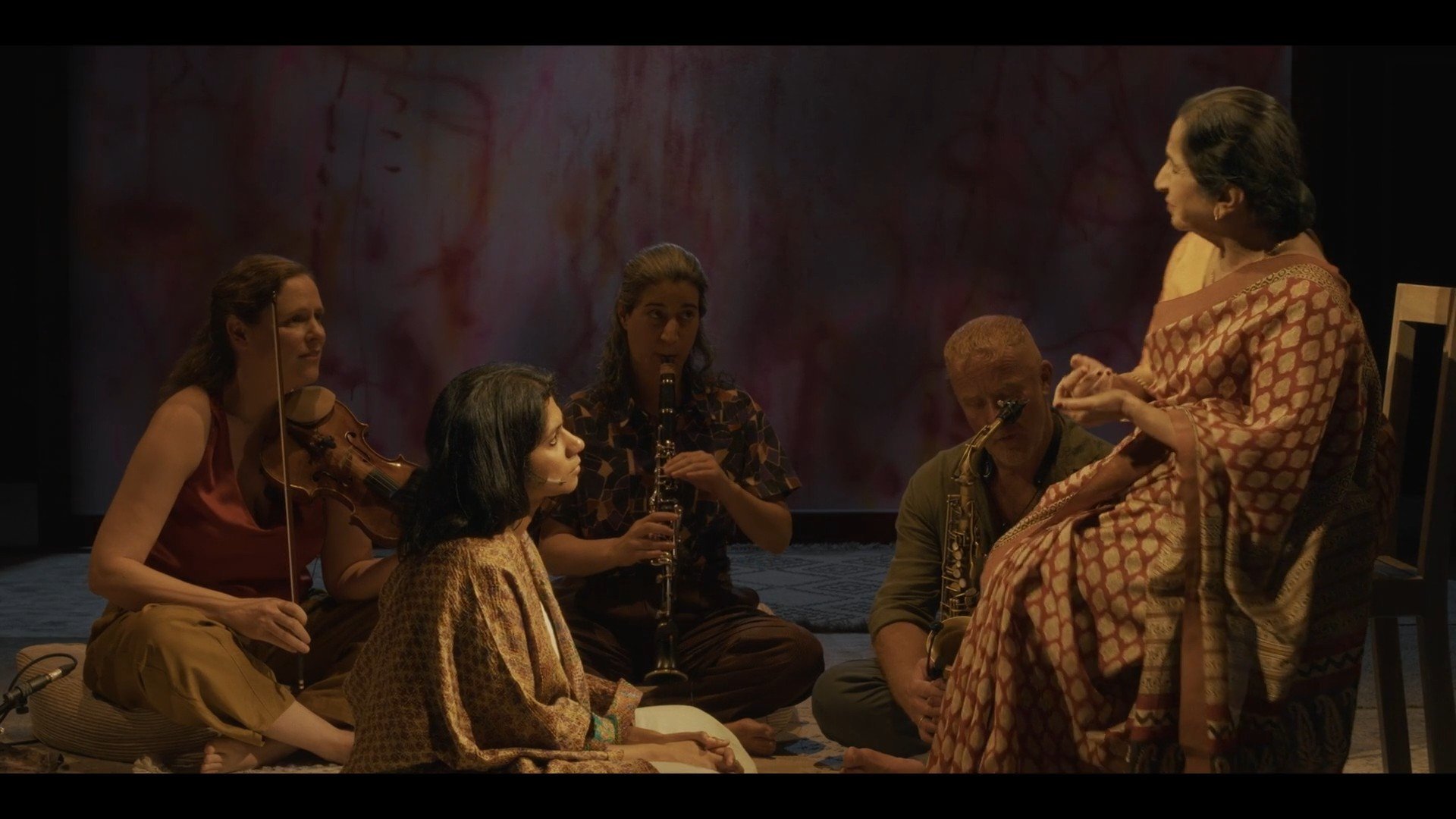
THE NINE JEWELLED DEER
OPÉRA · LUMA ARLES · 2025OPERA · LUMA ARLES · 2025
SIVAN ELDAR – PETER SELLARS

FREITAG AUS LICHT
OPÉRA · OPÉRA DE LILLE · 2022OPERA · OPÉRA DE LILLE · 2022
STOCKHAUSEN – LE BALCON – SILVIA COSTA

MUSIC PROMENADE
DOCUMENTAIRE · PHILHARMONIE DE PARIS · 2026DOCUMENTARY · PHILHARMONIE DE PARIS · 2026
LES 30 ANS DES CNCM30 YEARS OF THE CNCM

SPEM IN ALIUM
DANSE · PHILHARMONIE DE PARIS · 2026DANCE · PHILHARMONIE DE PARIS · 2026
TALLIS – SABURO TESHIGAWARA – VOX LUMINIS

IN C
DANSE · PHILHARMONIE DE PARIS · 2024DANCE · PHILHARMONIE DE PARIS · 2024
TERRY RILEY – SASHA WALTZ

DAVID ET JONATHASDAVID AND JONATHAS
OPÉRA · OPÉRA DE LILLE · 2024OPERA · OPÉRA DE LILLE · 2024
JEAN BELLORINI – SÉBASTIEN DAUCÉ

SONNTAG AUS LICHT
OPÉRA · PHILHARMONIE DE PARIS · 2023OPERA · PHILHARMONIE DE PARIS · 2023
STOCKHAUSEN – LE BALCON
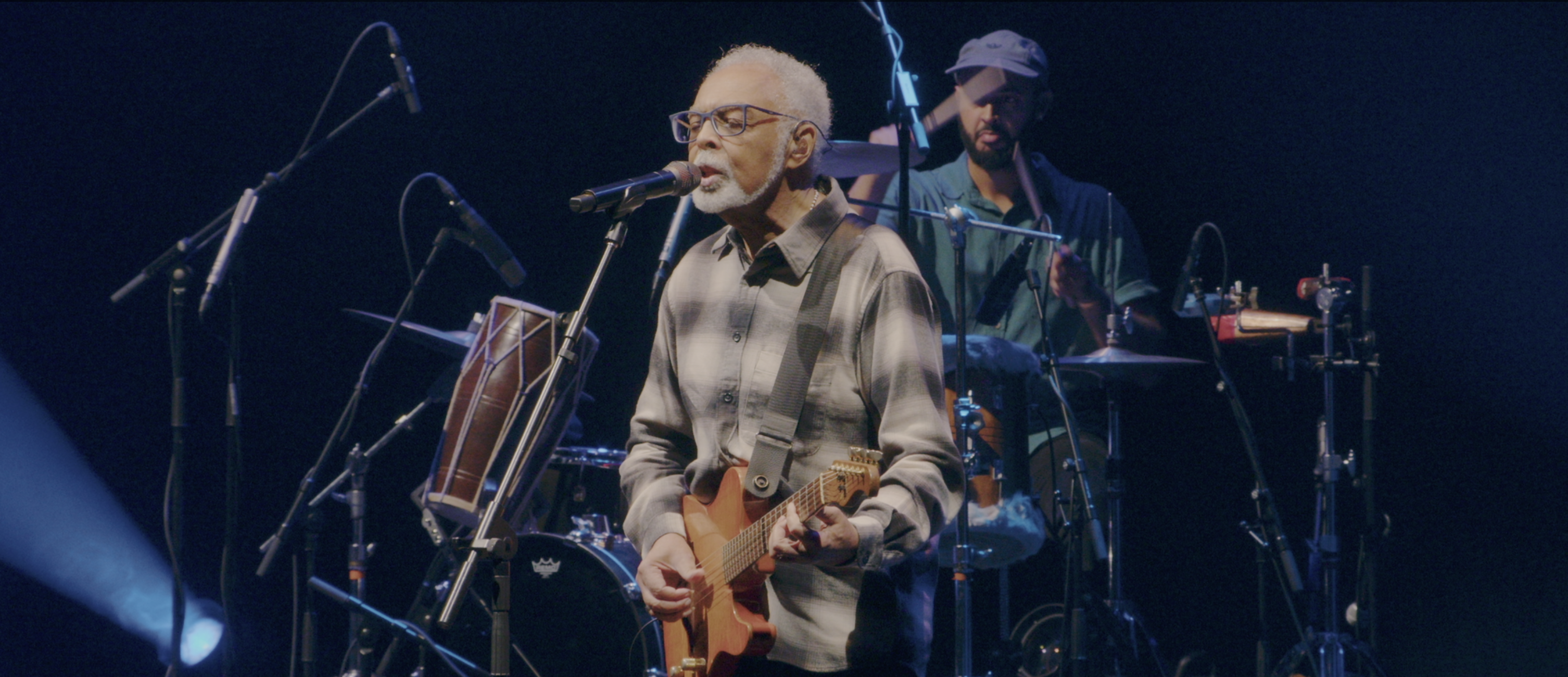
GILBERTO GIL
MUSIQUE · PHILHARMONIE DE PARIS · 2023MUSIC · PHILHARMONIE DE PARIS · 2023
AQUELE ABRAÇO TOUR

LES ENFANTS TERRIBLES
OPÉRA · OPÉRA DE RENNES · 2022OPERA · OPÉRA DE RENNES · 2022
PHILIP GLASS – PHIA MÉNARD

LIKE FLESH
OPÉRA · OPÉRA DE LILLE · 2022OPERA · OPÉRA DE LILLE · 2022
SIVAN ELDAR – SILVIA COSTA

LES YEUX DE LA PAROLE
DOCUMENTAIRE · LONG MÉTRAGE · 2019DOCUMENTARY · FEATURE FILM · 2019
AVEC JEAN-MARIE MONTANGERANDWITH JEAN-MARIE MONTANGERAND
VOIR TOUS LES FILMS →SEE ALL FILMS →
SON/ARTSOUND/ART
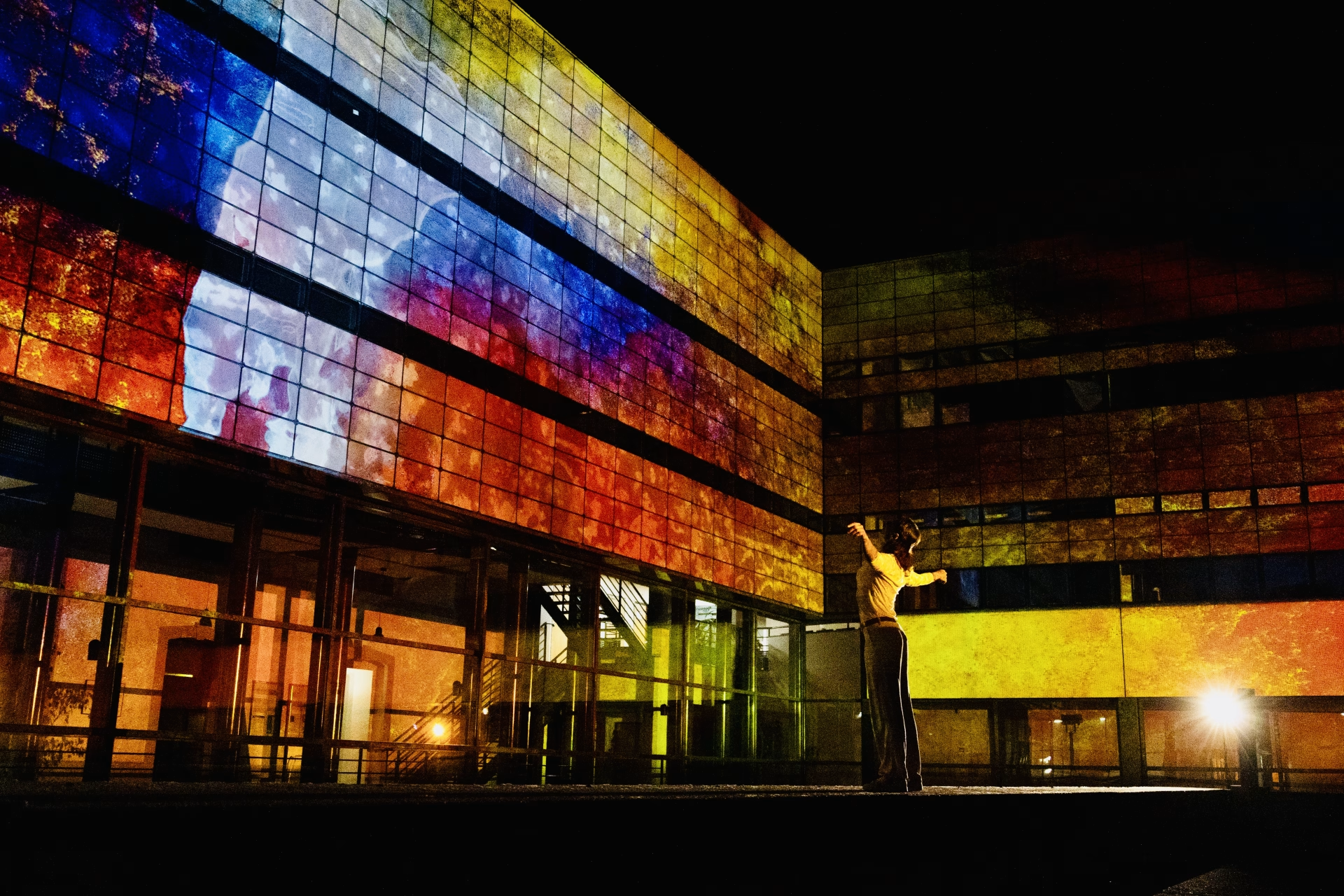
NEXUS
PERFORMANCE IMMERSIVE · 2026IMMERSIVE PERFORMANCE · 2026
COMPAGNIE ULTREIA
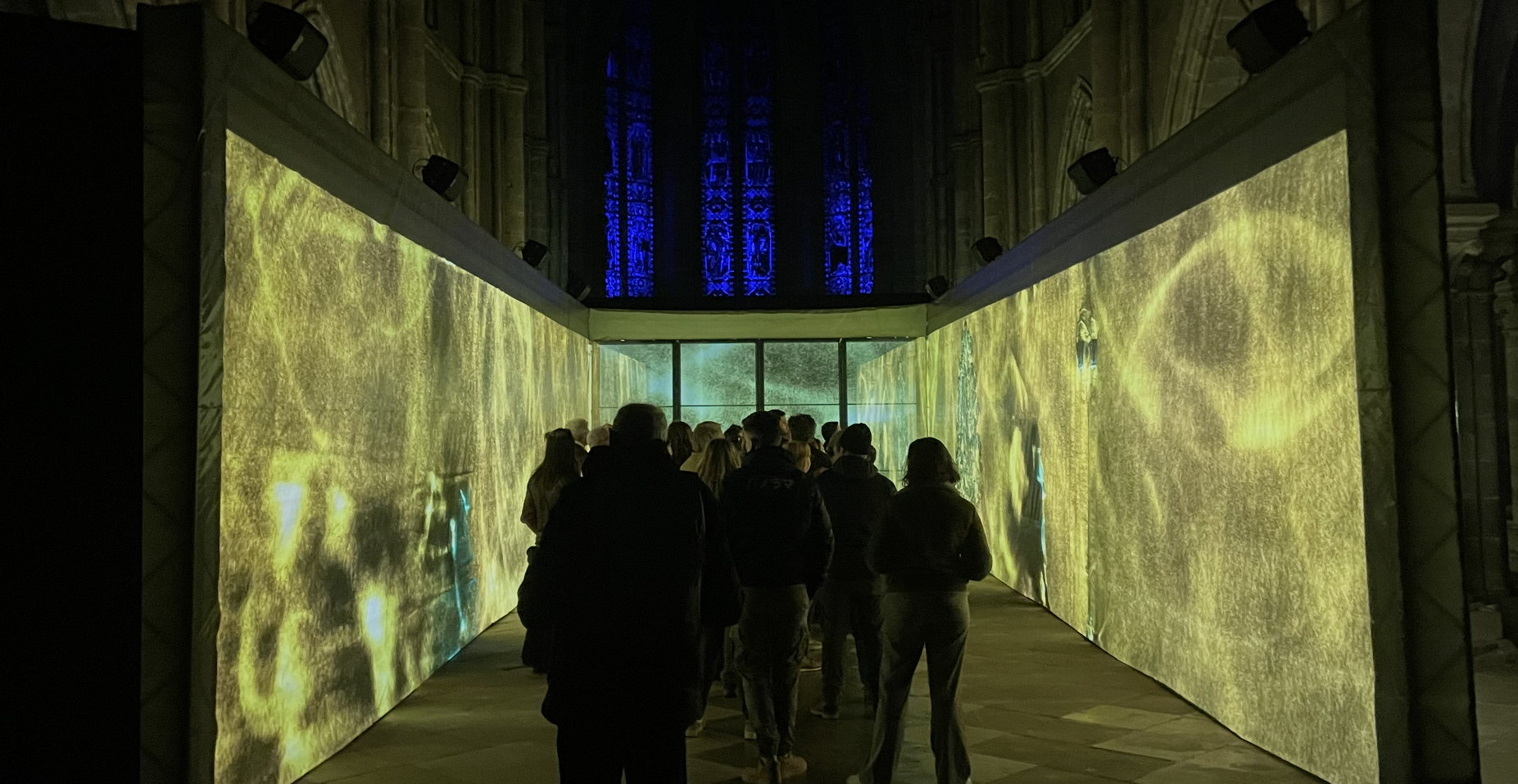
ET J’AI CONTINUÉ À REGARDER VERS LE SOLEIL
PERFORMANCE IMMERSIVE · BASILIQUE D’ÉPINAL · 2025IMMERSIVE PERFORMANCE · ÉPINAL BASILICA · 2025
COMPAGNIE ULTREIA
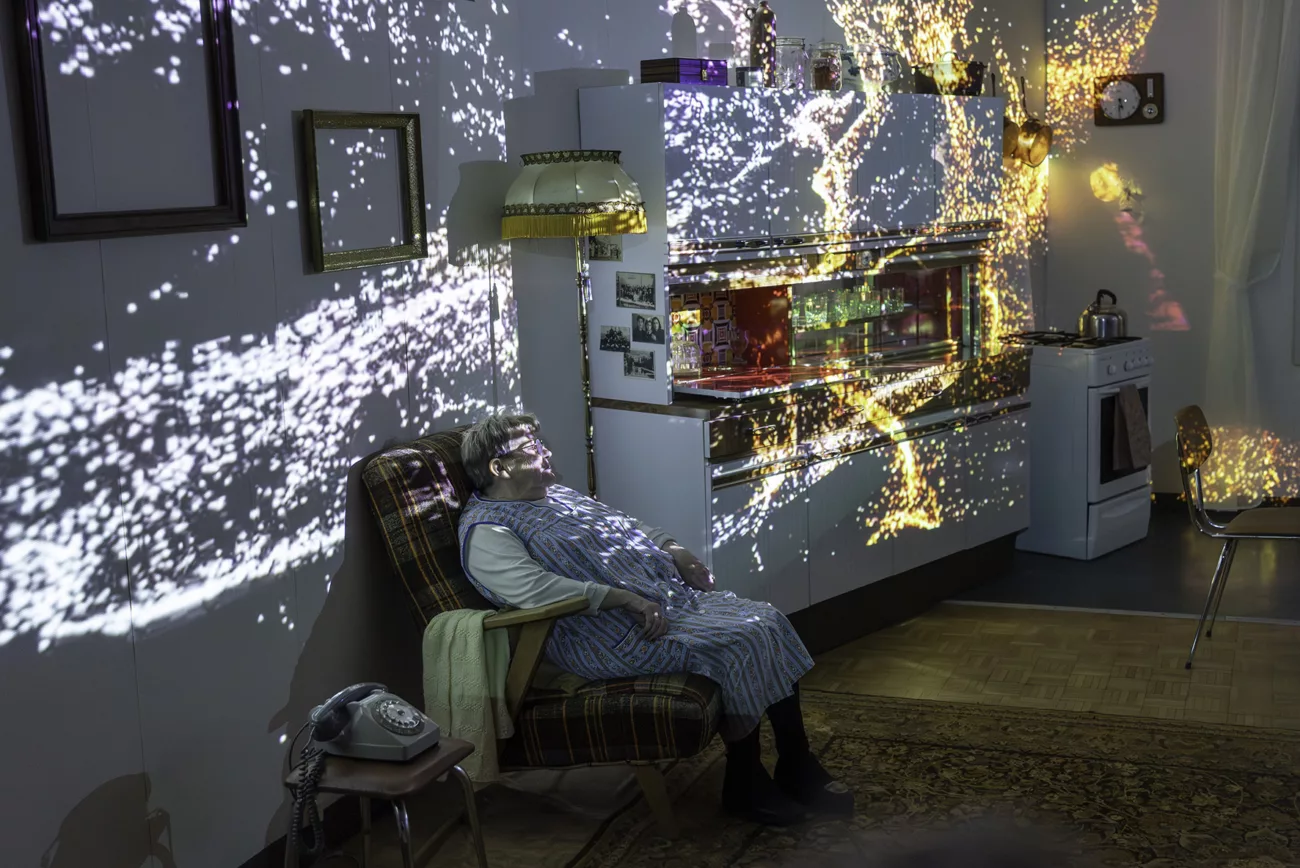
TRACE(S)
PERFORMANCE IMMERSIVE · FÊTE DES IMAGES · 2024IMMERSIVE PERFORMANCE · FÊTE DES IMAGES · 2024
COMPAGNIE ULTREIA

MUSÉE ALBERT-KAHN
SOUND DESIGN · EXPOSITION PERMANENTE · 2018–2022SOUND DESIGN · PERMANENT EXHIBITION · 2018–2022
BOULOGNE-BILLANCOURT

FLUX
INSTALLATION · STEREOLUX, NANTES · 2021
COLLECTIF AYEKAN

KIDBIRDS
INSTALLATION HOLOGRAPHIQUE · 2015–2017HOLOGRAPHIC INSTALLATION · 2015–2017
ERIC MINH CUONG CASTAING
VOIR TOUT SON/ART →SEE ALL SOUND/ART →
KOPERNIKUS
Agni, une âme qui vient de mourir, entreprend un voyage vers la lumière. Sur son chemin, elle croise des figures venues de tous les siècles : Lewis Carroll, Merlin, une sorcière, la Reine de la nuit, Tristan et Isolde, Mozart, un aveugle prophète, un vieux moine, Copernic enfin. Chacun l'aide à se défaire de ce qui la retient. Il y a peu d'histoire et aucun conflit : l'opéra est une cérémonie, un rituel de passage où l'âme se purifie jusqu'à devenir pur esprit.
Claude Vivier a composé Kopernikus en 1978 et 1979, sous-titré « rituel de mort », pour sept chanteurs, sept instrumentistes et bande. Le livret mêle le français et une langue imaginaire inventée par le compositeur. De Copernic, Vivier retient la révolution du regard, de la Terre vers le Soleil : son opéra cherche à remettre l'homme face à l'infini. Peter Sellars en a fait une veillée funèbre lumineuse, portée par l'ensemble vocal américain Roomful of Teeth et L'Instant Donné, où la musique trouve, selon ses mots, la paix au-delà de la paix.
Agni, a soul who has just died, sets out on a journey towards the light. On the way she meets figures from every century: Lewis Carroll, Merlin, a witch, the Queen of the Night, Tristan and Isolde, Mozart, a blind prophet, an old monk and finally Copernicus. Each helps her shed what holds her back. There is little story and no conflict: the opera is a ceremony, a rite of passage in which the soul is purified until it becomes pure spirit.
Claude Vivier composed Kopernikus in 1978 and 1979, subtitled "a ritual of death", for seven singers, seven instrumentalists and tape. The libretto mixes French with an imaginary language invented by the composer. From Copernicus, Vivier takes the revolution of perspective, from the Earth to the Sun: his opera seeks to set humankind face to face with the infinite. Peter Sellars turns it into a luminous wake, carried by the American vocal ensemble Roomful of Teeth and L'Instant Donné, where the music finds, in his words, a peace beyond peace.